Lambeth Council waste rules for cleaning companies and landlords
Posted on 06/07/2026
If you clean flats, manage rental homes, or look after communal areas in Lambeth, waste disposal is not a small admin job tucked away at the end of the day. It shapes how smoothly a clean goes, whether neighbours stay happy, and whether you avoid messy complaints about bins, fly-tipping, or rubbish left on the pavement. The practical side of Lambeth Council waste rules for cleaning companies and landlords is simple enough: know what can be put out, when it can be taken away, and who is responsible when something goes wrong. Sounds basic, but in real life, that's where the trouble starts.
This guide breaks it all down in plain English. You'll see how the rules affect cleaning teams and landlords, what good practice looks like on the ground, and how to set up a process that keeps jobs tidy rather than chaotic. If you also want a broader sense of the local area and how property management fits into everyday Lambeth life, the site's local insights on Lambeth living and investing in Lambeth pieces are useful background reads.

Why Lambeth Council waste rules for cleaning companies and landlords Matters
Waste rules matter because waste has a habit of becoming visible very quickly. One bag left by a doorway, a mattress leaning against a wall, or a box of mixed rubbish dropped beside the wrong bin and suddenly the whole building feels untidy. Residents notice. Neighbours notice. So does the council.
For landlords, waste management is part of keeping a property presentable and reducing complaints between tenancies. For cleaning companies, it is part of delivering a professional service that does not create a second problem after the first one has been solved. A sparkling kitchen means very little if the waste is dumped where it should not be. To be fair, that is the bit tenants and agents remember most vividly.
In Lambeth, where you often have flats above shops, estates with shared bin stores, and narrow streets with limited collection space, waste handling is rarely straightforward. There may be timing pressures, access issues, or a simple lack of room. That is why the best results come from planning the disposal route before the clean begins, not after the bags are already full.
Practical takeaway: the cleaner's job does not end when the dust is gone. If waste is handled badly, the clean feels unfinished and the landlord or managing agent is left dealing with the fallout.
How Lambeth Council waste rules for cleaning companies and landlords Works
The exact operational detail can vary depending on the property type, the waste stream, and current council arrangements, so it is wise to check the latest local guidance whenever you are dealing with larger volumes. Still, the underlying logic is consistent. Waste must be separated properly, stored safely, and presented for collection in a way that does not block pavements, attract pests, or create nuisance.
For cleaning companies, that usually means understanding the difference between everyday household rubbish, bulky waste, recyclable materials, and anything that needs special handling. Think broken furniture after an end-of-tenancy clean, old carpets, damaged blinds, or bags full of mixed debris after a deep clean. If the waste is bulky or awkward, the tidy finish depends on arranging removal in a lawful, sensible way.
For landlords, the main concern is responsibility. In many rental situations, the landlord or managing agent must make sure tenants know how waste should be stored and collected. In practice, this often means clear bin instructions, enough container space, and a policy for items left behind after check-out. If not, the building becomes a guessing game. And nobody wants that, especially on a Monday morning.
One useful way to think about it is this: the council sets the boundaries, and the property owner or cleaning provider builds the working system inside them. If either side is vague, mess tends to creep back in.
Typical waste handling flow
- Identify the waste type before starting the clean.
- Separate recyclables, general waste, bulky items, and anything requiring special handling.
- Store waste safely without blocking exits, stairwells, or shared access routes.
- Use authorised collection or disposal arrangements where needed.
- Leave the site clean, with bins closed and surrounding areas free from spillage.
That sequence sounds unglamorous. It is. But it saves time, avoids arguments, and keeps jobs moving.
Key Benefits and Practical Advantages
Good waste handling is not just about compliance. It brings a few very real benefits that landlords and cleaning firms feel immediately.
- Fewer complaints: residents are less likely to complain about smell, overflow, or bags left in common areas.
- Smoother inspections: agents and landlords can see that the property has been professionally managed, not just cleaned.
- Safer worksites: less clutter means fewer trip hazards in hallways, service yards, and stairwells.
- Better tenant turnover: end-of-tenancy jobs finish cleaner when waste is removed properly.
- More professional reputation: a company that handles waste carefully looks organised and dependable.
There is also a hidden benefit: fewer delays. A team that understands where waste can go, and when, avoids the classic "we finished the cleaning but now we have nowhere to put the rubbish" problem. Anyone who has ever dragged a half-filled sack back down three flights of stairs at 6 p.m. will know exactly what that feels like. Bit of a mood killer, really.
For landlords, the benefit is long-term asset care. Waste left too long can damage floors, stain communal walls, or draw complaints from neighbours and local businesses. That can snowball into avoidable costs. It is much easier to prevent a waste issue than to clean up after one.
Who This Is For and When It Makes Sense
This topic is relevant to far more people than many assume. It is not only for big block managers or commercial waste contractors.
- Landlords dealing with end-of-tenancy clear-outs, repairs, or routine property management.
- Letting agents organising move-in and move-out cleaning schedules.
- Cleaning companies offering domestic, office, deep, or end-of-tenancy cleaning.
- Estate managers responsible for shared bins, stairwells, and communal storage.
- HMO operators where bin pressure and shared use can quickly become a headache.
It makes especially good sense when a job involves bulky items, a lot of packaging, decluttering, garden waste, or post-tenant removal of unwanted belongings. It also matters if the property is in a tight residential street where collection access is awkward. Lambeth has plenty of those. You know the sort: one parked van and suddenly the whole road feels narrower.
If your work is mainly within a rental turnover model, you may also find the related service pages for end-of-tenancy cleaning in Lambeth and deep cleaning in Lambeth helpful for planning the operational side of the job.
Step-by-Step Guidance
Here is a practical way to build a waste process that works for both cleaning teams and landlords. No drama, just a system that holds up when the work gets busy.
1) Survey the waste before the clean starts
Walk through the property and identify what will likely need removing. Old food waste, broken household items, packaging, damaged textiles, and leftover tenant belongings all need different handling. A five-minute look at the property can prevent a much longer clean-up later.
2) Decide what stays on site and what leaves
Some waste can go straight into normal bins. Some needs collection. Some should never be mixed with general rubbish. Agree this in advance with the landlord or managing agent, especially if you are working on a turnover deadline.
3) Check access and bin storage
Where are the bins? Who can access the bin store? Is there room for bags to be placed without blocking fire exits or shared routes? If access is limited, the plan has to be adjusted before the team arrives with bags in hand.
4) Bag and label waste sensibly
Mixed loose waste is a headache. Use strong bags, avoid overfilling, and keep materials separated where possible. Label bulky items if they need a separate collection arrangement. It sounds obvious. Still, people skip it all the time.
5) Keep communal areas clear
Do not leave sacks in hallways, on stair landings, or by entrance doors. In blocks and estates, that creates obstruction, looks careless, and can lead to complaints very quickly.
6) Confirm final disposal responsibility
At the end of the job, make sure everyone knows whether the waste has been taken away, placed in the correct storage point, or left for scheduled collection. That final handover matters. It is the difference between "done" and "nearly done."
Expert Tips for Better Results
Over time, the details make all the difference. A few small habits turn waste handling from a recurring problem into something routine.
- Build waste questions into the booking form. Ask whether there are bulky items, unusual waste types, or access restrictions. That one habit can save a lot of last-minute panic.
- Use two people for heavier loads where possible. A bulky item down narrow stairs is where accidents happen.
- Schedule waste clearance before peak bin times. Early planning reduces the chance of overflow and missed presentation windows.
- Photograph waste conditions before and after. This can help with landlord handovers, especially where disputes arise over left-behind items. Nothing fancy, just sensible documentation.
- Keep a small supply of strong contractor bags and gloves. Simple, but essential.
If you manage multiple properties, it helps to write down a standard waste procedure and use it every time. The best systems are often the boring ones, frankly. The ones nobody notices because they work.
For companies offering broader property care, the site's services overview and insurance and safety pages are useful reminders that waste handling is part of a wider risk-managed service, not an afterthought.
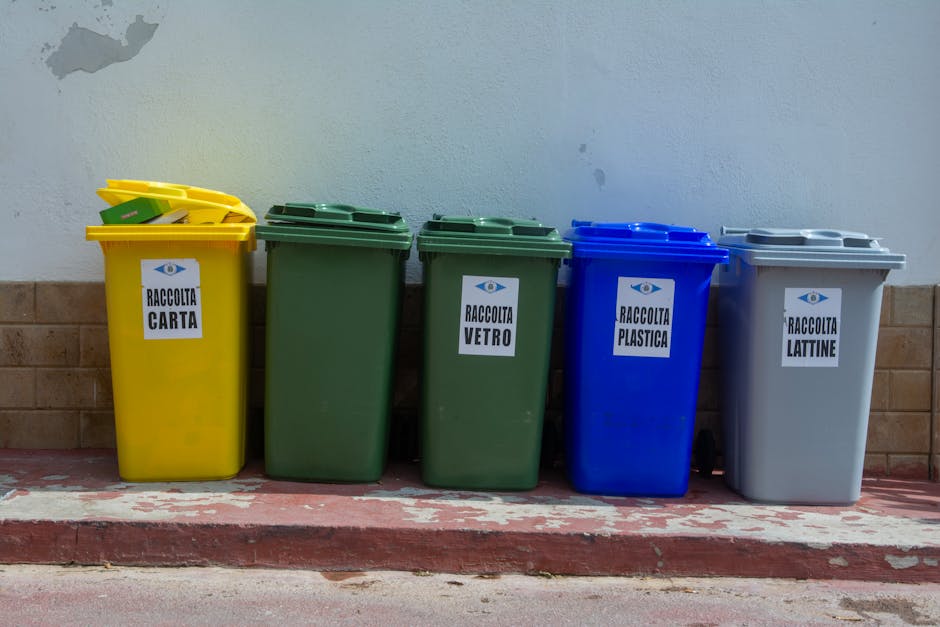
Common Mistakes to Avoid
Most waste problems are not caused by bad intentions. They happen because teams are rushed, communication is loose, or somebody assumes the next person will sort it out. Classic.
- Mixing waste types together: this makes disposal harder and can create compliance issues.
- Leaving bags in shared corridors: a fast route to complaints, smells, and blocked access.
- Assuming the landlord has arranged everything: responsibility should be clear before the job starts.
- Ignoring bulky items: old furniture, mattresses, and broken appliances need planning.
- Forgetting access restrictions: stair-only buildings, locked bin stores, and concierge-controlled estates need advance coordination.
- Underestimating timing: waste clearance often takes longer than people expect, especially after a deep clean or a tenant move-out.
There is a very human temptation to deal with waste "later". Later is where the trouble lives. Better to tackle it while the team is already on site and the details are fresh.
Tools, Resources and Recommendations
You do not need a complicated toolkit to handle waste well. What you do need is the right setup for the type of property and the volume of rubbish involved.
Useful basics
- Heavy-duty waste bags
- Disposable gloves
- Labels or markers for sorted waste
- Cleaning cloths for spill containment
- Trolleys or sack trucks for bulky items where access allows
- A simple job checklist for waste and disposal steps
For landlords and agents, written handover notes are extremely useful. They should record what was removed, what remained on site, and whether bins or storage spaces were left in a usable condition. If you have ever had a dispute over "who left the mattress there," you will know why that matters.
The website also has practical service information on pricing and quotes, which can help when you are comparing a one-off clearance to a broader clean, and on about us if you want a sense of how the team positions itself around reliable service.
Law, Compliance, Standards, or Best Practice
Waste handling sits inside a wider UK compliance picture, but the safest approach is to stay careful and current rather than pretend there is one universal rule for every property. The important things are consistent: do not dump waste illegally, do not block public or communal access routes, do not mix hazardous or special waste with general rubbish, and do not assume the council will solve a private property management problem for you.
For landlords, waste should be part of normal property management records. That includes tenant instructions, void-period procedures, and any contractor arrangements used for clearance. For cleaning companies, good practice means knowing your limits. If waste is beyond standard household disposal, or if there is anything potentially hazardous, the job should be assessed properly before anything is moved.
Best practice also includes health and safety. Bags can split, sharps can hide in rubbish, and wet waste can make floors slippery. The sensible route is to follow a documented process, use appropriate protective equipment, and make sure staff know what to do if waste is contaminated or unexpectedly heavy. The site's health and safety policy and terms and conditions are relevant reading for anyone assessing service responsibilities.
One more thing: if a property regularly produces more waste than the standard arrangement can handle, the issue is not just "more bins needed." It may signal poor tenant communication, weak turnover planning, or a layout problem that needs a proper fix. Waste is often a symptom, not the root cause.
Options, Methods, or Comparison Table
There is no one perfect way to manage waste. The right method depends on property size, waste volume, and how fast the clean needs to be completed. Here is a simple comparison that helps landlords and cleaning companies choose the most practical route.
| Method | Best for | Pros | Limitations |
|---|---|---|---|
| Normal bin disposal | Small domestic waste and everyday rubbish | Simple, low effort, usually easiest to manage | Not suitable for bulky items or large volumes |
| Separate bagged clearance | End-of-tenancy clean-ups and mixed non-hazardous waste | Keeps things organised and easier to hand over | Needs space, labels, and good timing |
| Bulky item removal planning | Furniture, mattresses, and larger household items | Prevents obstruction and last-minute chaos | Requires coordination and possibly extra cost |
| Managed communal bin use | Blocks of flats and estates | Works well when access and schedules are clear | Can fail quickly if residents and contractors are not aligned |
For many Lambeth properties, the second option is the most realistic starting point. It is practical, easy to explain, and works well when paired with clear communication. If you are dealing with a block or estate, though, communal bin access and stairwell logistics become a bigger part of the picture. The article on access issues for stairwell cleaning in Lambeth estates is especially relevant there.
Case Study or Real-World Example
Imagine a landlord preparing a one-bedroom flat for a new tenant in a busy Lambeth street. The outgoing tenant has left a mix of packaging, a broken chair, food waste in the kitchen bin, and a couple of bags of miscellaneous clutter. The cleaner arrives for the final clean, but there is no clear instruction about waste disposal. The communal bin is already nearly full, the lift is out of action, and the entryway is narrow.
In that situation, the job can go two ways. The first is the messy version: bags are left by the door, someone complains, the lettings agent gets involved, and the handover is delayed. The second version is far better: the waste is sorted at the start, the landlord confirms what will be removed, a disposal plan is made before the clean begins, and the property is left ready for inspection without the little side drama.
That second route is not flashy, but it works. And in real estate, boring and reliable beats dramatic every time.
We see a similar pattern in the site's articles on affordable end-of-tenancy cleaning in Brixton SW2 and estate cleaning services in Myatts Fields, where access, timing, and site coordination matter as much as the cleaning itself.
Practical Checklist
Use this before and during jobs involving waste in Lambeth.
- Confirm who is responsible for waste removal.
- Check whether waste includes bulky items, food waste, or mixed materials.
- Identify bin locations and access restrictions.
- Make sure shared routes stay clear.
- Bag waste securely and avoid overfilling.
- Separate recyclables where practical.
- Keep spill-prone waste contained.
- Plan disposal timing around collections or building access.
- Document what has been removed if handover matters.
- Leave the area clean, closed, and ready for the next person.
If you are managing a more routine property or office clean, the broader service pages for domestic cleaning, house cleaning, and office cleaning in Lambeth can help you map which type of service is most appropriate before waste starts becoming a problem.
Get a free quote today and see how much you can save.
Conclusion
Lambeth Council waste rules for cleaning companies and landlords are really about discipline, clarity, and respect for the shared spaces people live and work in. If you get the basics right, you protect your reputation, reduce complaints, and make every cleaning job easier to finish well.
Landlords need a waste plan that supports inspections, turnover, and tenant communication. Cleaning companies need a process that keeps staff safe and jobs compliant. Put those two things together, and the whole operation feels smoother. Less faff. Fewer call-backs. Better outcomes.
If nothing else, remember this: waste is part of the service, not an awkward extra. Handle it properly and the rest of the job tends to settle into place.