Pet stain removal mistakes Lambeth cleaners warn about
Posted on 23/06/2026
If you live with a dog, cat, or the occasional furry chaos machine, you already know how quickly a small accident can turn into a bigger cleaning problem. The smell lingers. The mark spreads. And if you grab the nearest spray or scrub too hard, you can make things much worse. That is exactly why Pet stain removal mistakes Lambeth cleaners warn about deserve proper attention. In Lambeth homes, flats, and shared buildings, cleaners see the same errors over and over: over-wetting carpets, using the wrong products, and treating the visible stain instead of the hidden residue underneath. This guide breaks down what those mistakes are, how proper stain removal works, and what to do instead so you can protect your flooring, upholstery, and peace of mind.
There is a bit of a pattern here. People often act fast, which is understandable, but fast is not always smart. A stain on a cream rug at 8pm after a muddy walk through the park? Not ideal. Still, panic cleaning tends to leave a lasting memory in the fibres. Let's fix that.
Expert summary: The best pet stain cleaning method is usually the one that removes moisture, odour, and residue together-without pushing the mess deeper into the fabric. If you only tackle one layer, the problem often comes back.
- Quick action matters, but the wrong quick action can lock in the stain.
- Enzyme cleaners, blotting, and controlled moisture are usually safer than heavy scrubbing.
- Different surfaces need different treatment: carpet, upholstery, mattresses, and hard floors all behave differently.
- If a stain has soaked through backing or underlay, a surface clean alone may not be enough.
Why Pet stain removal mistakes Lambeth cleaners warn about Matters
Pet stains are not just unsightly. They can affect hygiene, odour, fabric lifespan, and even how a room feels to live in. In a compact London flat, especially one with fitted carpets or upholstered furniture, a mistake made in the first ten minutes can turn a small incident into a longer-term problem. That is the part people underestimate.
Cleaners in Lambeth often warn about these mistakes because they see the aftermath: discoloured patches, musty smells, cleaned-over marks that reappear a few days later, and fibres damaged by aggressive DIY methods. It is rarely the stain itself that causes the biggest headache. It is the way it was treated.
There is also the practical side. If you are renting, a badly handled pet stain can be harder to explain at the end of the tenancy. If you own your home, it can reduce the life of carpet or upholstery. And if you have stairs, shared hallways, or limited drying space, you need a method that is efficient, not one that leaves everything damp for half a day.
To be fair, most people are trying to do the right thing. They just use too much product, too much water, or the wrong kind of cloth. Cleaners know the difference because they deal with both fresh accidents and the aftermath of well-intentioned "fixes".
For broader home upkeep across the year, some readers also look at spring cleaning in Lambeth or the company's deep cleaning services when pet-related messes have spread beyond a single spot.
How Pet stain removal mistakes Lambeth cleaners warn about Works
Good pet stain removal is really a process of managing three things at once: liquid, residue, and odour. If one of those stays behind, the stain can return or the smell can reappear when the room warms up or humidity changes. That is why a stain can look gone in daylight and still announce itself later in the evening. Annoying, yes. Very real, also yes.
For carpets and upholstery, pet accidents usually sit in the surface fibres first, then move down into the backing, underlay, or padding if they are not handled quickly. The longer the moisture sits there, the greater the chance of staining, scent retention, and, in some cases, bacterial growth. On hard floors, the issue is different: the stain may be easier to see, but liquid can seep into grout, seams, skirting gaps, or edges around boards.
Professional cleaners typically work in stages:
- Remove as much fresh moisture as possible without rubbing.
- Break down the biological residue with the right product.
- Lift the stain while controlling moisture levels.
- Rinse or neutralise as needed so no sticky residue is left behind.
- Dry thoroughly and check for hidden odour.
The mistake many people make is assuming step one is enough. It usually is not. A surface that looks clean can still contain the thing that caused the smell in the first place. And then, after a warm day or a closed window, it returns. Not exactly the surprise you wanted.
Key Benefits and Practical Advantages
Getting pet stain removal right gives you more than a tidy-looking floor. It also helps preserve the material beneath, reduces repeat cleaning, and makes your home feel fresher for longer. That matters in everyday life more than people think. Nobody wants to keep opening the living room door and catching a faint old-pet smell. Not exactly a winning first impression.
- Better stain lifting: Correct treatment helps remove both the mark and the residue that causes it.
- Odour control: Proper cleaning reduces lingering smells that cheap sprays tend to mask rather than solve.
- Longer fabric life: Less scrubbing and less over-wetting means less wear on fibres and backing.
- Cleaner indoor environment: A well-cleaned space feels healthier and easier to live in.
- Reduced re-soiling: Some products leave sticky residue that attracts dirt; avoiding that helps keep the area cleaner.
If you are comparing options for ongoing home care, browsing the full services overview can help you see where one-off help, domestic cleaning, or specialist carpet care fits best.
Who This Is For and When It Makes Sense
This advice is useful for pet owners, landlords, tenants, letting agents, and anyone who has carpets, fabric sofas, rugs, or pet-accessible rooms in a busy home. In Lambeth, that often means people living in flats where natural drying time is limited and airflow is not always ideal. You know the sort of place: radiators on, sash window half-open, and a hallway that somehow feels warmer than the room itself.
It makes sense to use careful pet stain treatment when:
- the stain is fresh and needs immediate attention;
- the stain has a strong odour;
- the area is on carpet, upholstery, mattress fabric, or a rug;
- you are dealing with repeated accidents in the same spot;
- you are preparing for guests, inspections, or a tenancy check-out;
- the fabric is delicate, light-coloured, or expensive to replace.
It may also make sense to stop and reassess if the stain is large, old, or has soaked into the underlay. In those cases, a simple spot clean can be a bit of a false economy.
If the issue is part of a broader cleaning reset, many households in the area pair stain treatment with house cleaning support in Lambeth or a one-off clean to get everything back to normal in one go.
Step-by-Step Guidance
Here is the practical version, the one cleaners would generally trust more than a frantic spray-and-pray routine.
- Act quickly, but calmly. Fresh stains are easier to deal with, especially before they dry into the fibres.
- Blot first. Use clean white paper towels or a plain cloth and press gently. Do not rub. Rubbing spreads the stain and can damage the pile.
- Remove solids carefully. If needed, lift solid waste away first before dealing with moisture. Keep the movement minimal.
- Apply the right cleaner sparingly. Use a product designed for biological stains or pet accidents. Avoid random household cleaners unless you are sure they are safe for the material.
- Test a hidden area. Especially on coloured upholstery or natural fibres, a patch test can save you from a bigger problem.
- Work from the outside in. This helps prevent the stain from spreading outward.
- Blot again. Lift excess moisture after the product has had time to work.
- Dry thoroughly. Use ventilation, fans, or open windows if practical. Dampness left behind is where odour often hides.
- Check after drying. Look and smell again a few hours later. If the scent lingers, the stain may need a deeper approach.
One useful habit: treat the stain, then stop and observe. A lot of problems come from over-processing. People keep adding product because they do not see instant results, and then the patch becomes a soggy little science experiment. It happens.
Expert Tips for Better Results
A few small adjustments can make a big difference.
Use less liquid than you think
More product does not equal more cleaning. If you drench the area, especially on carpet, you push the contamination deeper. A measured amount is usually better than a flood.
Choose enzyme-based cleaners where suitable
Biological stains often respond well to enzymatic cleaners because they help break down the organic material rather than only masking the smell. That said, always check compatibility with your surface first. Delicate fabrics and some wool blends can be fussy.
Work with airflow
Drying is not an afterthought. It is part of the clean. In a Lambeth flat, a fan by the door and a window cracked open can help more than another round of spraying.
Use white cloths, not coloured ones
Coloured towels can transfer dye, which is the last thing you need on a pale sofa cushion. White cloths also make it easier to see what you are lifting out.
Don't ignore the padding
If a stain keeps coming back, the backing or underlay may still be affected. That is where professional carpet cleaning can be the smarter move, because the visible spot is only half the story.
For households with stubborn flooring problems, carpet cleaning in Lambeth is often the more realistic next step than another round of DIY sprays.

Common Mistakes to Avoid
This is the part Lambeth cleaners warn about most often, because these mistakes show up again and again.
- Scrubbing hard: It spreads the stain and can fuzz or distort carpet fibres.
- Using too much water: Over-wetting can push the stain into the underlay and create drying issues.
- Applying bleach or harsh chemicals: These can permanently discolour fabric and are often unsafe for mixed materials.
- Skipping the patch test: A product that works on one sofa may ruin another.
- Ignoring odour after the stain looks gone: If the smell is still there, the stain is probably still there too.
- Using heat too soon: Heat can set some stains, especially if the residue has not been removed properly.
- Mixing products: Combining cleaners can create nasty residues or fumes. Best not to improvise.
- Waiting too long: Once a stain dries and settles, removal becomes much trickier.
One thing people often forget is that "clean-looking" and "fully cleaned" are not the same thing. A pale patch may still contain residue even after the colour seems faded. That is why repeated smell checks matter.
Tools, Resources and Recommendations
You do not need a van full of specialist gear to manage most small accidents, but having a few basics ready helps.
| Tool or product | What it helps with | Best use |
|---|---|---|
| White absorbent cloths | Blotting liquid without transferring dye | Fresh stains on carpet or upholstery |
| Enzyme cleaner | Breaking down biological residue | Pet urine and related odours |
| Soft brush | Gentle lifting of surface fibres | After treatment, not during hard scrubbing |
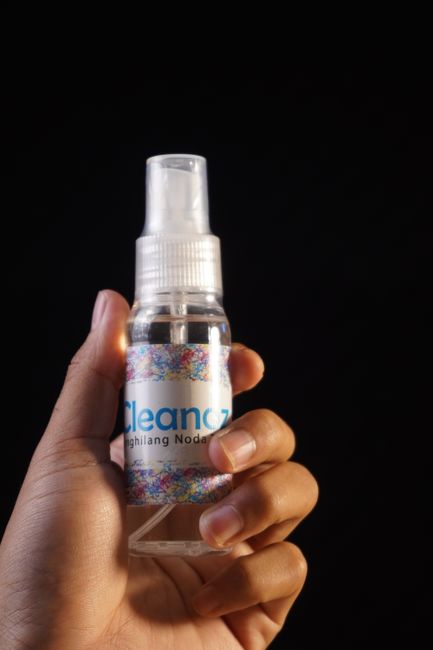
| Clean spray bottle | Controlled application | Light dampening rather than soaking |
| Dry towels or paper | Fast moisture removal | Immediate response after accidents |
| Fan or ventilation | Speeding up dry time | After cleaning and rinsing |
If the issue keeps happening, it can help to look at recurring cleaning support rather than single-incident fixes. Some households prefer domestic cleaning in Lambeth, while others only need a specialist touch for a few problem areas. If you are weighing up costs and options, pricing and quotes can give you a clearer starting point.
For readers who want a deeper home refresh after multiple pet accidents, upholstery cleaning in Lambeth can be especially useful for sofas, armchairs, and soft furnishings that hold odours more stubbornly than floors do.
Law, Compliance, Standards, or Best Practice
Pet stain removal itself is usually a household cleaning matter, not a legal one. Even so, there are sensible best-practice points to keep in mind. In rented homes, tenants should avoid damage that goes beyond normal wear and tear, and landlords generally expect properties to be returned in a reasonably clean condition at the end of a tenancy. If pet stains are left unmanaged, they can become a bigger issue during inspections or check-out cleaning.
From a safety point of view, cleaner choice matters. It is wise to follow product labels, use them in ventilated areas, and avoid mixing chemicals. That is just common sense, really. If a cleaner is intended for carpets, upholstery, or fabrics, use it for that purpose. If it is not, do not gamble.
For service standards and peace of mind, it also helps to work with companies that have clear information about safety and insurance. If you are checking a provider, pages like insurance and safety, health and safety policy, and about us can tell you a lot about how seriously they take their work.
And if you are comparing cleaning after a move, end-of-tenancy issues, or a bigger reset, end of tenancy cleaning in Lambeth can be the more practical route than patching each stain one by one.
Options, Methods, or Comparison Table
Not every stain needs the same answer. The right method depends on the surface, age of the stain, and how deep it has gone. Here is a simple comparison.
| Method | Best for | Pros | Limitations |
|---|---|---|---|
| Blotting and mild cleaner | Fresh, small accidents | Fast, cheap, low risk | May not remove deep odour |
| Enzyme treatment | Urine and other biological stains | Targets residue and smell | Needs enough contact time |
| Spot shampooing | Visible carpet marks | Can improve appearance quickly | Over-wetting risk if done badly |
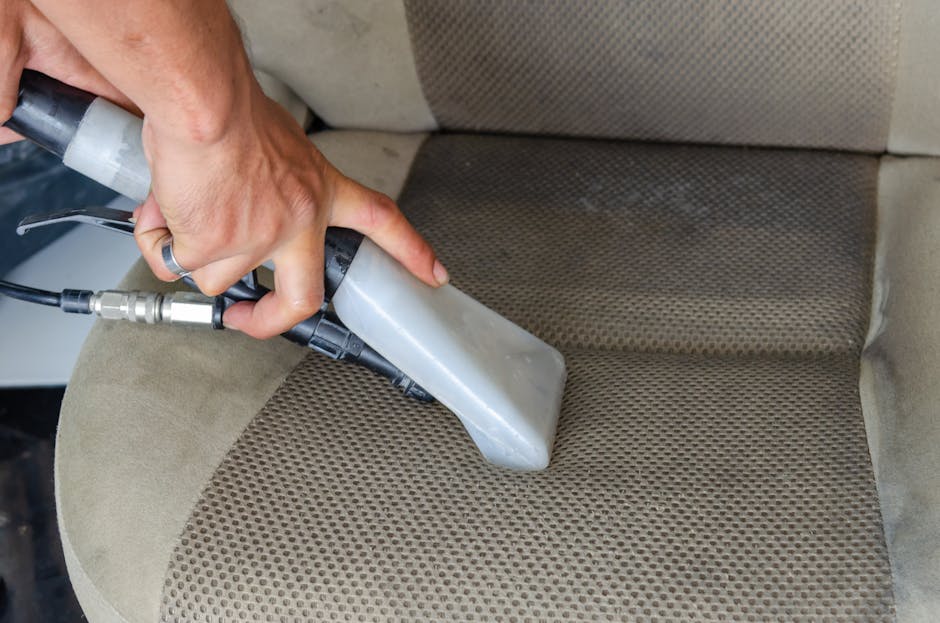
| Steam or hot-water extraction | Heavier carpet contamination | More thorough on carpeted areas | May be too wet for delicate fabrics |
| Professional upholstery or carpet clean | Old, repeated, or stubborn stains | Better equipment and controlled drying | Cost and scheduling |
In simple terms: the more the stain has spread or aged, the less likely a basic spray is enough. That is not a failure, just a signal to step up the method.
Case Study or Real-World Example
A common Lambeth scenario goes like this. A tenant notices a pet accident on a living room carpet late in the evening. They blot it quickly, which is good, then spray a shop-bought cleaner generously because they want the smell gone before bedtime. The patch looks better the next day, so they assume it is sorted. A week later, when the heating is on and the room is closed up, the smell returns. By then the stain has settled deeper and the carpet has a faint tide mark around the original area.
What went wrong? Not the intention. The process.
The cleaner that would have helped most was the one used sparingly, with proper blotting, adequate dwell time, and enough drying. Instead, the combination of over-wetting and incomplete treatment moved the problem downward. This is where professional help becomes worthwhile, especially in homes with fitted carpet or a flat where drying space is limited. If you are near busy routes or needing a quicker turnaround, services such as flat cleaning near Vauxhall Station or same-day cleaning support in Lambeth can be relevant when timing is tight.
Another example comes from shared buildings. A pet stain in a communal stairwell or hall is not something to leave hanging around, because the smell travels and people notice. For those situations, practical access and scheduling matter too, which is why stairwell cleaning access in Lambeth estates can become part of the conversation.
Practical Checklist
Use this checklist before, during, and after pet stain treatment.
- Blot the stain gently with a clean white cloth.
- Remove any solids without rubbing.
- Choose a cleaner suitable for the surface.
- Test the product on a hidden area first.
- Apply lightly rather than soaking the fabric.
- Allow enough dwell time for the product to work.
- Blot out excess moisture again.
- Improve airflow for drying.
- Check for smell after the area is fully dry.
- Repeat or escalate to professional cleaning if the stain returns.
Quick reminder: if the stain is old, widespread, or keeps reappearing, stop trying to brute-force it. That approach rarely ends well.
Conclusion
Pet stains are frustrating, but they are manageable when you avoid the usual mistakes. The big lesson from Lambeth cleaners is simple: do less of the wrong thing and more of the right thing. Blot gently. Use the right cleaner. Do not flood the fabric. Dry the area properly. And if the stain is deep, old, or smells stubbornly alive even after cleaning, bring in proper help before the damage becomes permanent.
In real life, it is rarely about having the fanciest product. It is about timing, restraint, and understanding what the stain has actually done beneath the surface. Get that part right and the whole job becomes easier. Much easier, honestly.
If you want support with carpets, upholstery, or a fuller home refresh, you can also explore the services overview, then decide whether a focused clean or a broader visit makes more sense for your place.
Get a free quote today and see how much you can save.